The way in which businesses sell, and customers shop over the past decade has undergone a dramatic shift. And at the heart of this transformation – the rise of the Direct-to-Consumer (D2C) business model.
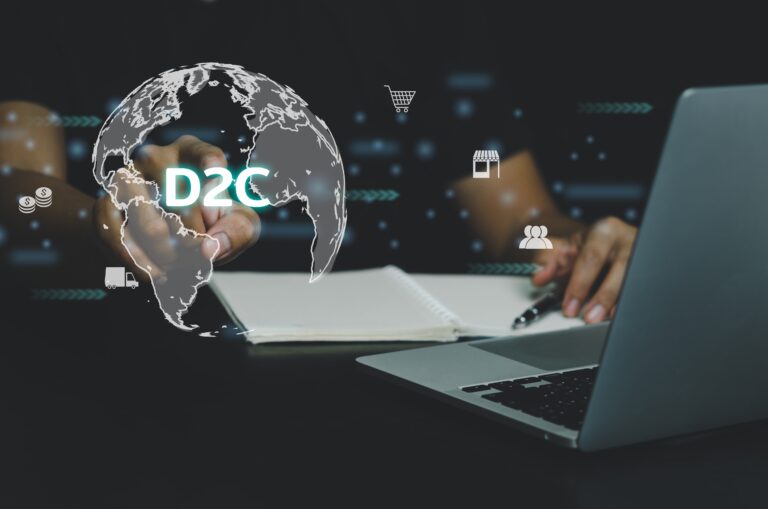
Direct-to-Consumer (D2C) is a business model that’s reshaping how brands interact with their customers. By cutting out wholesalers or retailers, D2C brands sell directly to their customers. This method creates a more personal buying experience and closer connection between brand and business.
In today’s digital-first world, the relevance of Direct to Consumer has skyrocketed. With the rapid growth of e-commerce, businesses are increasingly choosing this model.
But what is the exact D2C meaning, and how does the process work? This article will break it down each element of D2C fulfilment, to get you in the know.
What Exactly is D2C?
D2C refers to a business strategy where companies sell their products directly to customers without relying on a third-party. Unlike traditional retail models, D2C focuses on direct connections through brand-owned channels like websites, mobile apps, or even pop-up stores.
What sets this approach apart is the emphasis on building personal relationships customers. This model enables brands to control every aspect of the customer journey, from the first click on their website to the final delivery of the product.
Two of the Most Successful D2C Brands Include:
Glossier: A beauty brand that emphasises authenticity, featuring customers real experiences and leveraging a true brand trust. Through social media, they have grown a loyal community.
Gymshark: Revolutionary in the D2C scope, Gymshark offer high-quality activewear at competitive prices by cutting out the middleman. They take advantage of social media and influencer marketing to connect with its target audience and build a strong community of fitness enthusiasts.
At its core, D2C is all about creating a deeper connection between brands and their consumers. It is a strategy that offers transparency, personalisation, and convenience that traditional retail often lacks. Although it is strategy that requires unwavering commitment and belief in your own brand, it is one that is very plausible with today’s accessibility to potential clients.
How it Works
The D2C model operates on a simple yet powerful premise: brands take complete control of the entire customer journey. It simplifies the supply chain by eliminating the middle man.
Direct Sales Channels:
D2C brands remove the need for third-party online retailers or wholesalers by selling through:
Websites: With their own websites or online stores through ecommerce platforms, these brands can offer a bespoke shopping experience that aligns with their brand.
Apps: Applications provide convenience and accessibility for mobile-first shoppers. They’re also a creative way to build community and offer special access and deals to users.
Pop-up shops: Temporary pop up shops are used for in-person customer engagement and brand promotion, particularly around new releases or according to seasonal trends, without the commitment to a full time retail store.
Personalised Marketing
D2C marketing relies heavily on data-driven marketing. Through collecting first party data directly from customers, brands can create accurately targeted campaigns.
Email Campaigns: Email campaigns can be tailored to recommendations based on past purchases, clicks or ‘add to carts’.
Social Media Advertising: Platforms like Instagram or TikTok are at the forefront of many new D2C brands. They create a community space to engage with niche audiences.
Influencer Partnerships: A biproduct of social media advertising is influencer marketing and UGC. This creates promotion of a brand through trusted voices.
Strong Brand Identity
D2C brands often invest heavily in storytelling and design to create a memorable brand identity. This focus helps differentiate them from competitors and fosters loyalty among consumers. Without this loyalty and following, D2C consumers cannot compete with larger wholesalers or third party retailers.
Benefits of Direct to Consumer
For Brands:
- Greater Control Over Branding: By owning the sales channel, brands can maintain complete ownership of branding, messaging, and customer interactions.
- Access to Data: First-party customer data enables tailored marketing and product development.
- Higher Profit Margins: Cutting out intermediaries results in better profit margins on each sale.
For Consumers:
- Lower Costs: Without middleman markups, customers often benefit from more affordable pricing.
- Customised Experiences: Direct access to brands means more tailored offerings and faster responses to feedback.
- Enhanced Customer Service: Dealing directly with the brand leads to more consistent and efficient support.
In short, the D2C model creates a win-win situation by bridging the gap between brands and consumers, delivering value on both sides.
Challenges of Direct to Consumer
High Initial Investment
Setting up a D2C operation requires significant investment in:
- Technology, such as e-commerce platforms and robust websites, which can be pricey if you’re not well adverse. Without tech support, it can be difficult to build a successfully functioning website, or one that targets the correct audience.
- Marketing campaigns to drive initial traffic and build brand awareness.
- Logistics, including warehousing and shipping can initially be expensive with a 3PL service and difficult to manage in house.
Complex Logistics
Without the support of wholesalers or a 3PL services, D2C brands are responsible for managing their own inventory, shipping, and returns. This can be particularly challenging for small or emerging brands.
Market Saturation and Competition
The rise of D2C has led to increased competition in the e-commerce space. Brands must constantly innovate to stand out and capture consumer attention.
Despite these challenges, the potential rewards of D2C often outweigh the obstacles, especially for brands willing to invest in building a strong, customer-centric strategy.
D2C vs B2C: What’s the Difference?
Definition and Core Concepts
Direct to consumer brands sell directly to customers without intermediaries, retaining full control over pricing, branding, and customer relationships. Whereas business to consumer covers just about any other business selling to consumers. These brands typically sell through third-party platforms like Amazon or large retailers.
Distribution Channels
D2C aims for direct sales via websites, apps, or exclusive stores. These can be independently tracked and often have a higher return as they require less fees to be paid to marketplaces or other intermediaries as with B2C.
Customer Relationships
One of the key differences is the potential for close customer relationships. D2C prioritises building personal relationships and gathering data for tailored experiences, as this is needed to create a loyal customer base. Whilst B2C has a more hands off approach, relying on the customer base of the third-party. The intermediaries also tend to handle most of the engagement.
Profit Margins
With reduced fees from third party sellers, there is a higher profit potential for D2C business. However, they carry a greater responsibility for operations that is reduced with business to customer as it’s essentially handed over to the middleman.
Marketing Strategies
With direct to consumer marketing, brands utilise direct communication channels like social media and influencer collaborations which function extremely well in today’s online environment. With B2C businesses often leverage broader advertising campaigns or the marketing power of their retail partners.
Customer Experience
The customer experience on the whole has a much more personal customer experience approach with D2C. This business strategy offers curated, seamless experiences with customisation options and personal touches. Whilst B2C provides convenience through wide availability but lacks the personalisation.
The Future of D2C
The D2C model shows no signs of slowing down. Here are some key trends driving its growth:
- Digital Commerce: The rise of online shopping is paving the way for more D2C brands to thrive.
- Social Media Influence: Platforms like Instagram and TikTok are becoming central to D2C marketing strategies.
- Sustainability and Authenticity: Consumers are gravitating toward brands that prioritise transparency and eco-conscious practices.
- Subscription Models: Many D2C businesses are adopting subscription-based services to foster loyalty and ensure consistent revenue.
Looking ahead, the D2C model is likely to evolve with advancements in technology and shifting consumer expectations, making it an exciting space for innovation.
Now you Know the D2C Meaning – Is it for you?
D2C, or Direct-to-Consumer, is a game-changing model that empowers brands to connect directly with their audience. Because of this, they can offer unmatched control and personalisation. While challenges exist, the benefits for both businesses and consumers are undeniable.
By understanding what D2C is, how it works, and how it differs from B2C, businesses can decide whether this approach aligns with their goals. As e-commerce continues to grow, the D2C model stands as a powerful tool for brands looking to thrive in an increasingly digital world.
If D2C is for you, but you need help with fulfilment, that’s where a 3PL service comes in. Find out more today.