Running a successful Shopify store requires more than attractive product listings and digital marketing. Behind every smooth online purchase is a complex system of inventory management, order processing, packing, and delivery. As ecommerce grows in the UK and globally, customer expectations have risen sharply, especially around fast, reliable delivery and clear tracking.
A Shopify fulfilment provider is a specialist third‑party partner that connects directly with your Shopify store, stores your products in professional centres, and manages picking, packing, shipping, and returns. This setup improves inventory accuracy, speeds up delivery across the UK, and allows store owners to focus on marketing, sales, and brand growth instead of daily logistics.
Key Benefits of Using a Shopify Fulfilment Provider
- Faster, more reliable delivery across the UK.
- Real time, accurate inventory management.
- Easy scalability during peak seasons and promotions.
- Fewer errors in picking, packing, and shipping.
- Better customer experience with consistent tracking and communication.
Why Is Fulfilment So Important in UK Ecommerce?
The UK ecommerce market is one of the most developed in Europe, with millions of online orders placed every day. Customers now expect not just good products, but fast shipping, easy returns, and a smooth delivery experience. For many shoppers, delivery speed and reliability are deciding factors when choosing where to buy.
When operational processes are weak, customers can face late deliveries, wrong items, or poor communication. These issues quickly damage trust and lead to negative reviews and lost repeat business. By contrast, strong logistics and order handling help brands stand out in a crowded UK market and support long-term customer loyalty.
What Does a Shopify Fulfilment Provider Do?
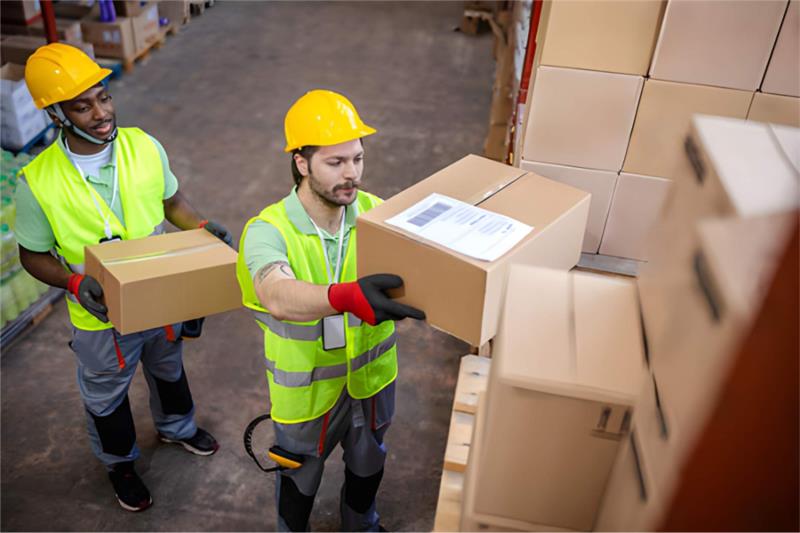
A logistics service provider manages the physical flow of products after an order is placed. This includes receiving inventory from suppliers, checking and storing products in organised warehouse systems, picking items for each customer order, packing them securely, and handing them over to courier partners for delivery.
Beyond physical handling, these providers also keep inventory data up to date. Stock levels are monitored continuously so that the quantities shown on your Shopify store match what is available in the warehouse. By centralising these tasks, the system becomes more streamlined, reducing delays, errors, and manual work.
How Does a Fulfilment Provider Integrate with Shopify?
One of the biggest advantages of using a Shopify‑ready service is seamless integration. Once connected, orders flow automatically from your Shopify store into the provider’s system as soon as customers check out, without any manual data entry.
This integration enables:
- Immediate order processing after checkout.
- Real time inventory updates as stock moves in and out.
- Centralised order tracking and performance reporting.
Automation removes many manual steps, lowers the risk of human error, and speeds up the entire process from order to dispatch.
How Do Fulfilment Providers Improve Inventory Accuracy?
Inventory management is one of the most challenging parts of running an online store. Without accurate tracking, businesses risk overselling popular products, holding too much slow‑moving stock, or missing out on sales during peak demand.
Warehouse and logistics providers such as Lama Fulfilment use warehouse management systems that track every product movement from arrival to shipment. Each item is scanned into and out of storage locations, giving a live picture of stock levels. This provides store owners with clear visibility of what is available, what is selling quickly, and when to reorder.
Key benefits of accurate inventory control include:
- Livestock data across all product categories.
- Automated alerts when inventory drops below set thresholds.
- Better forecasting based on real sales and movement trends.
Good inventory control also supports healthier cash flow and higher customer satisfaction.
How Do Fulfilment Providers Increase Order Processing Speed?
Speed is critical in ecommerce, and UK customers increasingly expect next‑day or even same‑day delivery options. Centres are designed for efficiency, with optimised warehouse layouts, clear storage locations, and trained teams focused only on logistics.
These facilities improve processing speed by:
- Reducing picking time with organised shelving and bin locations.
- Using scanning and barcodes to reduce packing mistakes.
- Running scheduled dispatch cycles aligned with courier collection times.
As a result, orders move quickly from checkout to picked, packed, and handed to the courier, helping you meet the fast delivery expectations of UK shoppers.
How Do Fulfilment Providers Make Shipping More Reliable?
Shipping can become complex when you manage multiple couriers, service levels, and delivery regions on your own. A provider centralises shipping operations and manages courier relationships on your behalf.
This leads to:
- Consistent dispatch times and processes.
- Reliable delivery performance across the UK and overseas.
- Clear tracking updates that can be shared with customers automatically.
By simplifying shipping, providers reduce delays, minimise errors, and give customers more confidence in your brand.
What Does the Difference Between In‑House and Outsourced Fulfilment Look Like?
The table below shows a clear comparison between managing fulfilment in‑house and using a specialist provider across key operational areas.
Fulfilment Area | In‑House Operations | Fulfilment Provider |
Inventory Tracking | Manual updates, higher chance of errors | Automated systems with real time visibility |
Order Processing | Slower, more manual steps | Optimised, technology‑driven workflows |
Shipping Coverage | Limited courier options and regions | Nationwide and international coverage |
Scalability | Difficult and expensive to scale | Flexible capacity that grows with demand |
Accuracy Levels | Moderate accuracy, dependent on staff time | High accuracy through scanning and standard processes |
What Custom Fulfilment Solutions Are Available?
Not every Shopify business has simple requirements. Some brands need product bundling, custom packaging, subscription boxes, or specific quality checks before dispatch. A custom service can be tailored around these needs.
Custom solutions can include:
- Branded packaging, inserts, and unboxing experiences.
- Kitting and bundling of multiple products into a single order.
- Subscription order handling for recurring deliveries.
These options allow businesses to keep a strong brand identity while still outsourcing logistics to specialists.
How Does Data from Fulfilment Support Better Decisions?
Modern systems generate valuable data that can be used for smarter decision‑making. Shopify store owners can see which products sell fastest, which regions order the most, how long deliveries take, and how often errors or returns occur.
This information supports:
- Better demand planning and stock purchasing.
- Identification of top‑performing and under‑performing products.
- Continuous improvement of delivery times and accuracy.
Data‑driven turns logistics from a cost centre into a source of strategic insight.
Streamline Fulfilment for Faster Growth
A Shopify provider plays a crucial role in helping online retailers manage inventory accurately and deliver orders efficiently. Through automation, professional logistics infrastructure, and scalable operations, fulfilment partners turn complex logistics into streamlined, repeatable processes.
By outsourcing, Shopify businesses can focus on growth, customer engagement, and brand development while maintaining high service standards. As ecommerce continues to evolve in the UK and worldwide, strong fulfilment will remain a key factor in long‑term success. Contact us today to discover how our logistics solutions can support faster growth and better customer experiences.
Frequently Asked Questions
What does a Shopify fulfilment provider typically handle?
A Shopify fulfilment provider usually manages product storage, inventory tracking, order picking and packing, shipping coordination, and returns processing for your online store.
How does fulfilment integration improve inventory management?
Integration connects your Shopify store directly to the warehouse system so that stock levels update automatically as orders are processed, reducing manual work and the risk of overselling.
Is outsourcing fulfilment suitable for small Shopify businesses?
Yes, fulfilment services are designed to be scalable. Small stores can access professional logistics without investing in their own warehouse, staff, or shipping infrastructure, while staying ready for future growth.
Can fulfilment providers support customised packaging and branding?
Many providers offer branded boxes, custom tape, inserts, and bundling options so your brand experience remains strong even when logistics are outsourced.
How do UK‑based fulfilment centres improve delivery for UK customers?
UK‑based centres position stock close to major courier networks and customer hubs, making it easier to achieve one‑ to two‑day delivery times across most of the country.