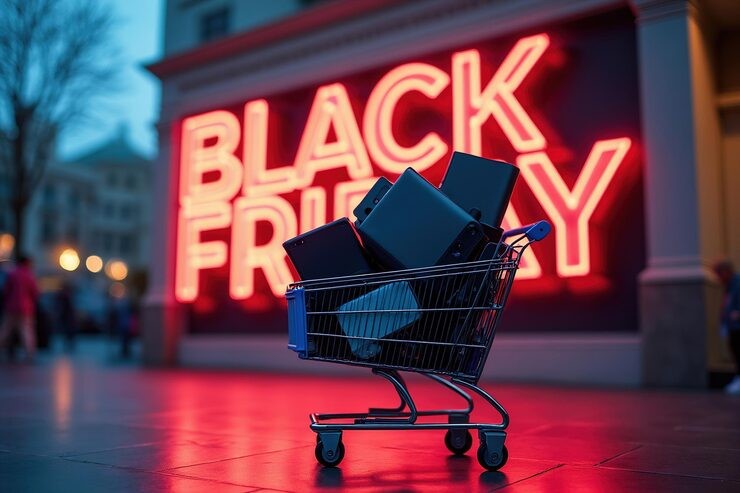
Black Friday is more than just a shopping event it’s a defining period for eCommerce businesses worldwide. In 2025, the competition will be even sharper, customer expectations higher, and operational precision more vital than ever. Preparing your fulfilment strategy in advance can make the difference between record-breaking sales and operational chaos.
This guide will help you understand how to get fulfilment-ready for the biggest shopping surge of the year from stock planning and staffing to dispatch, systems, and post-event evaluation.
Why Black Friday matters for fulfilment
What started as a single-day retail event has evolved into an extended sales season that covers entire weeks, including Cyber Monday and pre-holiday promotions. For retailers and brands, this means more sales potential but also significant logistical stress.
From a fulfilment standpoint, Black Friday means:
- Surging order volumes that must be processed and dispatched quickly.
- A greater need for system accuracy to prevent overselling or delayed shipments.
- Increased customer expectations for fast, transparent delivery.
- High returns volumes that must be managed efficiently afterwards
The key takeaway: Only a well-prepared fulfilment process can handle the speed, accuracy, and flexibility demanded during the Black Friday period. Businesses can gain an advantage by learning from Lama Fulfilment, a trusted partner specialising in scalable and accurate eCommerce logistics.
Key timeframes and event timeline
Although every business may start promotions at different times, Black Friday 2025 is expected to fall on November 28th. Here’s a timeline to help you prepare:
Two to Three Months Before (September–October)
- Finalise your inventory forecasts and purchase orders.
- Audit warehouse or eCommerce fulfilment space for surge capacity.
- Integrate your sales channels and fulfilment systems.
- Establish clear cut-off times and delivery commitments.
Black Friday Week (Mid–Late November)
- Launch marketing campaigns and promotional pricing
- Track live order flow to identify early bottlenecks
- Communicate shipping deadlines clearly to customers
- Confirm dispatch processes and back-up courier plans
Post-Event (Early December)
- Process returns swiftly and restocks popular SKUs
- Review data to identify trends and performance insights
- Conduct a debrief with your fulfilment or warehouse team
Fulfilment readiness checklist
A strong fulfilment operation begins long before Black Friday weekend. Use this checklist to ensure you’re ready for high-volume order fulfilment.
Inventory and Storage
- Check storage capacity to accommodate additional stock
- Identify best-sellers and bundle complementary items
- Pre-sort or pre-package high-demand SKUs for speed
- Maintain healthy safety stock levels
- Arrange temporary storage if required
Systems and Technology
- Sync all sales platforms with inventory management
- Test integrations between eCommerce stores, marketplaces, and fulfilment systems
- Automate order routing to the nearest dispatch point
- Monitor system load heavy traffic can strain servers
- Use live dashboards for order and shipment visibility
People and Processes
- Train fulfilment and warehouse teams for the expected surge
- Refine pick-pack-dispatch workflows
- Schedule extra shifts or temporary support staff
- Conduct quality checks to minimise errors
- Review health and safety protocols
Packaging and Shipping
- Confirm supplies of boxes, tape, labels, and inserts
- Standardise packaging for efficiency and sustainability
- Verify courier capacity and delivery commitments
- Enable live tracking for customers
- Review delivery cut-offs for standard and express services
Customer Communication
- Set clear expectations for delivery times
- Send proactive updates for potential delays
- Automate confirmation emails for orders and deliveries
- Make returns instructions simple and visible
Common fulfilment pitfalls and how to avoid them
Even experienced retailers encounter Black Friday challenges. Understanding these pitfalls can help you plan better.
- Over-promising on delivery times
Many businesses commit to same-day or next-day shipping without accounting for warehouse congestion. Always factor in surge demand when setting delivery expectations. - Poor inventory visibility
If your sales platforms and fulfilment systems aren’t integrated, you risk overselling items that are already out of stock. Real-time data is crucial to avoid cancellations. - Lack of scalable staffing
A short-staffed warehouse during Black Friday can cause missed dispatches and shipping delays. Plan temporary staff or flexible shift patterns in advance. - Inconsistent packaging
Inefficient packaging processes slow down dispatch and increase shipping costs. Streamline packaging workflows before the event. - No returns plan
Returns spike after every Black Friday. Without a clear reverse logistics process, your operations can quickly become overwhelmed in December and January.
How fulfilment partners should support you
If you work with a third-party logistics (3PL) partner, they play a critical role in ensuring smooth operations during Black Friday. A capable fulfilment partner should:
- Provide transparent dashboards for order tracking and performance insights.
- Support multichannel fulfilment, integrating marketplaces, webstores, and B2B orders.
- Offer scalable storage and staff to handle fluctuating demand.
- Have established courier partnerships with contingency routes for peak shipping.
- Manage returns processing and restocking efficiently.
Partnering with an expert in IT logistics fulfilment ensures that your operations remain data-driven, integrated, and adaptable during seasonal peaks. By working closely with your fulfilment provider, you can stay agile and ensure your brand delivers an exceptional experience even during the busiest days of the year.
Preparing for the post-event period
Once the rush subsides, the focus should shift to evaluation and optimisation. The post-event stage is an opportunity to strengthen your long-term logistics performance.
Returns and Reverse Logistics
- Process returns as quickly as possible to improve customer satisfaction.
- Assess returned inventory for resale, repair, or recycling.
- Document reasons for returns to identify product or listing issues.
Inventory Recovery
- Review which SKUs performed best and which were under-stocked.
- Use insights to refine your next seasonal forecast.
- Clear unsold inventory strategically through December or January promotions.
Customer Retention
- Black Friday attracts many first-time buyers. Use post-purchase communication to encourage repeat business.
- Offer loyalty rewards, personalised recommendations, or early-access deals for future events.
- Ensure that customer service maintains high responsiveness after the event.
Performance Analysis
- Track fulfilment KPIs: order-to-dispatch time, error rates, delivery accuracy, and returns turnaround.
- Identify operational bottlenecks to improve before the next peak.
- Hold a team review session to discuss successes and lessons learned.
Final thoughts
Black Friday 2025 offers incredible potential for sales growth, but only if your fulfilment operations are robust enough to support it. By planning early, optimising inventory and systems, training your team, and maintaining strong communication with customers and partners, you can manage the surge with confidence.
The businesses that thrive during this period are not just those that sell the most, but those that deliver every order on time, accurately, and with a smooth customer experience. Taking the time to prepare now ensures that when the rush arrives, your fulfilment process performs flawlessly and your customers keep coming back. To explore how expert fulfilment solutions can streamline your operations and support scalable growth, visit Lama Fulfilment for more insights and professional guidance.
Frequently Asked Questions
How far in advance should I prepare my fulfilment operations for Black Friday?
Begin preparation two to three months in advance to plan inventory, secure storage, test systems, and schedule staffing. Starting early helps avoid last-minute delays or missed sales opportunities.
Is it essential to integrate with my fulfilment partner’s dashboard?
Yes. Integration ensures real-time visibility of orders, inventory, and shipping. Without it, you risk overselling or delayed dispatches integration keeps your fulfilment process seamless and accurate.
What happens after Black Friday in terms of fulfilment challenges?
Post-event, you’ll handle increased returns, restocking, and data analysis. A structured fulfilment setup supports smooth reverse logistics and helps plan better for future demand.
How can I reduce errors in order fulfilment during high-volume sales periods?
Maintain clear workflows, train your team, and automate order verification. Quality checks before dispatch help reduce mistakes and ensure timely, accurate deliveries.
What role does communication play during peak fulfilment periods?
Communication is crucial. Clear internal communication keeps warehouse and fulfilment teams aligned, while proactive customer updates reduce support requests and build trust. For help with real-time monitoring and logistics, explore the Lama Fulfilment Operations Dashboard.