In today’s hyper-connected world, customer expectations are evolving rapidly, pushing fulfilment companies to innovate faster than ever. From AI-powered logistics to sustainable packaging, the future of fulfilment lies in agility, intelligence, and adaptability. Businesses that align their supply chain strategies with these emerging trends will not only boost operational efficiency but also offer an unmatched customer experience.
Whether you’re running an eCommerce brand, managing retail inventory, or exploring a B2B fulfilment solution, it’s vital to stay ahead of the curve. Here’s a comprehensive look at the key fulfilment trends redefining the logistics landscape.
The Rise of AI and Automation in Fulfilment
Artificial Intelligence (AI) and automation are the cornerstones of the next generation of fulfilment. They’re transforming traditional warehousing and supply chains into intelligent ecosystems that adapt in real-time. By reducing manual input, minimising errors, and accelerating turnaround, AI-driven fulfilment is delivering both operational and customer-centric benefits.
Predictive analytics for demand forecasting
Predictive analytics has revolutionised how businesses manage inventory. By analysing vast amounts of historical data, seasonal patterns, and consumer trends, AI can forecast future demand with remarkable precision. This helps retailers maintain optimal stock levels, reduce storage costs, and avoid lost sales due to stockouts.
Fulfilment partners like Lama Fulfilment leverage these tools to drive proactive inventory strategies that improve accuracy and performance.
Robotics and automation in warehousing
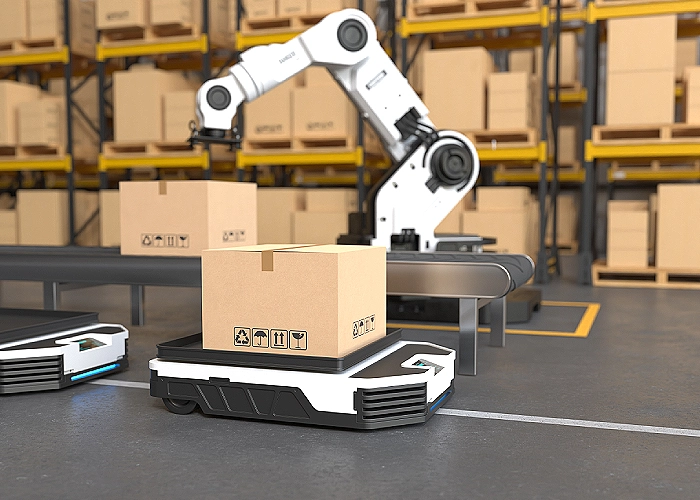
Automated fulfilment centres now rely on robotic systems to handle repetitive, high-volume tasks. Robots assist with picking, sorting, packing, and even inventory movement within the warehouse. Technology fulfilment solutions using Autonomous Mobile Robots (AMRs) enable greater speed and precision, improving efficiency and customer satisfaction.
Embracing Sustainable Fulfilment Practices
Sustainability is no longer a buzzword, it’s a strategic necessity. Businesses and consumers alike are demanding greener solutions, and fulfilment providers must respond. From packaging materials to delivery methods, sustainable logistics offers a long-term competitive edge and aligns with environmental goals.
Eco-friendly packaging innovations
Packaging waste is a significant contributor to environmental degradation. To counter this, companies are shifting to recyclable, biodegradable, and reusable packaging options. Innovations include corrugated paper instead of plastic, compostable bags, and water-based inks.
Partnering with an experienced fulfilment provider like Lama ensures your business adopts packaging solutions that meet sustainability goals without compromising product protection.
Carbon footprint reduction strategies
From using electric vans for last-mile delivery to installing solar panels in warehouses, the carbon footprint of fulfilment is under intense scrutiny. Lama Fulfilment’s commitment to sustainable practices helps clients align their logistics with eco-conscious values while optimising efficiency.
Real-Time Fulfilment Visibility and Tracking
In an era where customers expect updates at every step, real-time fulfilment visibility is a game-changer. It improves customer satisfaction and enhances internal logistics coordination by providing up-to-the-minute tracking data and inventory status.
IoT applications in the supply chain
The Internet of Things (IoT) enables devices and sensors to collect and transmit data across the fulfilment chain. IoT-powered RFID tags and GPS sensors allow accurate, real-time monitoring of product location, temperature, and handling conditions.
With advanced fulfilment technology, logistics partners like Lama provide high traceability, especially critical for sensitive goods like perishables or pharmaceuticals.
Enhancing customer experience through tracking
Branded tracking portals, automatic notifications, and delivery ETAs now play a vital role in boosting customer confidence. These features, available with Lama’s D2C fulfilment models, reduce customer service inquiries and create a smoother buyer journey.
Omnichannel and D2C Fulfilment Models
Today’s consumers switch between channels online marketplaces, mobile apps, social platforms, and in-store seamlessly. Brands must offer consistent experiences across all of them. Fulfilment strategies that support omnichannel and direct-to-consumer (D2C) selling are key to meeting these expectations.
Adapting to consumer purchasing behaviour
With consumers buying via Instagram, Amazon, and their favourite eCommerce brands, technology fulfilment must be fast, seamless, and integrated across platforms. Providers must offer flexible warehousing, smart routing, and cross-channel inventory syncing to ensure order accuracy and timeliness.
Integrating inventory across sales platforms
Centralising inventory management across platforms like Shopify, eBay, and your website allows businesses to track, reorder, and fulfil accurately. Lama’s scalable fulfilment solutions offer real-time visibility across all touchpoints, reducing the risk of overselling and enhancing customer loyalty.
Fulfilment Centre Flexibility & Micro-Warehousing
Flexibility is the hallmark of a modern fulfilment operation. Traditional large warehouses are now being complemented by smaller, strategically located micro-fulfilment centres that cater to regional demand and shorten delivery times.
Advantages of decentralised fulfilment
A decentralised strategy improves delivery speeds and supports regional demand more efficiently. Lama’s multi-location infrastructure enables you to scale while ensuring timely fulfilment even during peak seasons.
Urban warehousing and last-mile delivery
With the rise of dark stores and micro-fulfilment centres, brands can now offer same-day and next-day delivery in metro areas. Partnering with Lama Fulfilment, which supports fast last-mile execution, helps reduce delivery costs and carbon emissions.
Fulfilment Data and Analytics for Decision Making
Data has become the most valuable asset in fulfilment operations. Leveraging analytics not only improves daily performance but also drives long-term strategic decisions from scaling operations to entering new markets.
KPIs for fulfilment performance
Critical metrics such as order accuracy, dispatch times, delivery SLAs, and returns rate help businesses measure and improve fulfilment efficiency. Lama’s data-driven dashboards give real-time insights to fine-tune your supply chain.
Leveraging data for predictive logistics
Predictive logistics transforms how businesses respond to demand surges and delivery bottlenecks. Lama’s technology infrastructure uses AI to forecast, optimise, and adjust fulfilment workflows in real time keeping costs low and customers happy.
Conclusion
The future of fulfilment lies in adaptability. As customers become more demanding and markets more dynamic, businesses must evolve beyond traditional logistics methods. Embracing AI, automation, sustainability, and data analytics is no longer optional—it’s essential.
Those who invest in scalable, tech-enabled, and customer-centric fulfilment solutions will gain a competitive edge in both efficiency and brand loyalty. Whether you’re B2C, B2B, or hybrid, the time to modernise is now.
Looking to future-proof your logistics strategy? Lama Fulfilment delivers over two decades of experience in scalable, data-backed, and eco-friendly fulfilment. Whether you’re upgrading your technology fulfilment or expanding with a reliable B2B fulfilment solution, our expert team is here to help.
Frequently Asked Questions
What is the future of fulfilment in logistics?
The future of fulfilment is tech-driven, data-backed, and sustainability-focused. AI, automation, predictive analytics, and micro-warehousing are set to transform operations by improving speed, accuracy, and customer experience while lowering costs and environmental impact.
How is AI changing the fulfilment industry?
AI enhances every stage of fulfilment demand forecasting, inventory management, order routing, and customer service. It enables businesses to make proactive, data–informed decisions and scale operations with minimal manual intervention.
What are the most important sustainable practices in fulfilment?
Key practices include using recyclable or compostable packaging, switching to electric vehicles, implementing route optimisation, and using renewable energy in warehouses. These measures reduce environmental impact and appeal to eco-conscious consumers.
What is micro-warehousing and how does it benefit businesses?
Micro-warehousing involves smaller fulfilment hubs located near customer concentrations. It shortens delivery times, reduces last-mile costs, and enables fast returns processing. It’s ideal for urban fulfilment and high-frequency items.
How does real-time tracking improve fulfilment operations?
Real-time tracking builds transparency and trust. It allows customers to monitor their orders live, while businesses can proactively manage exceptions, optimise deliveries, and improve service levels through continuous data feedback.