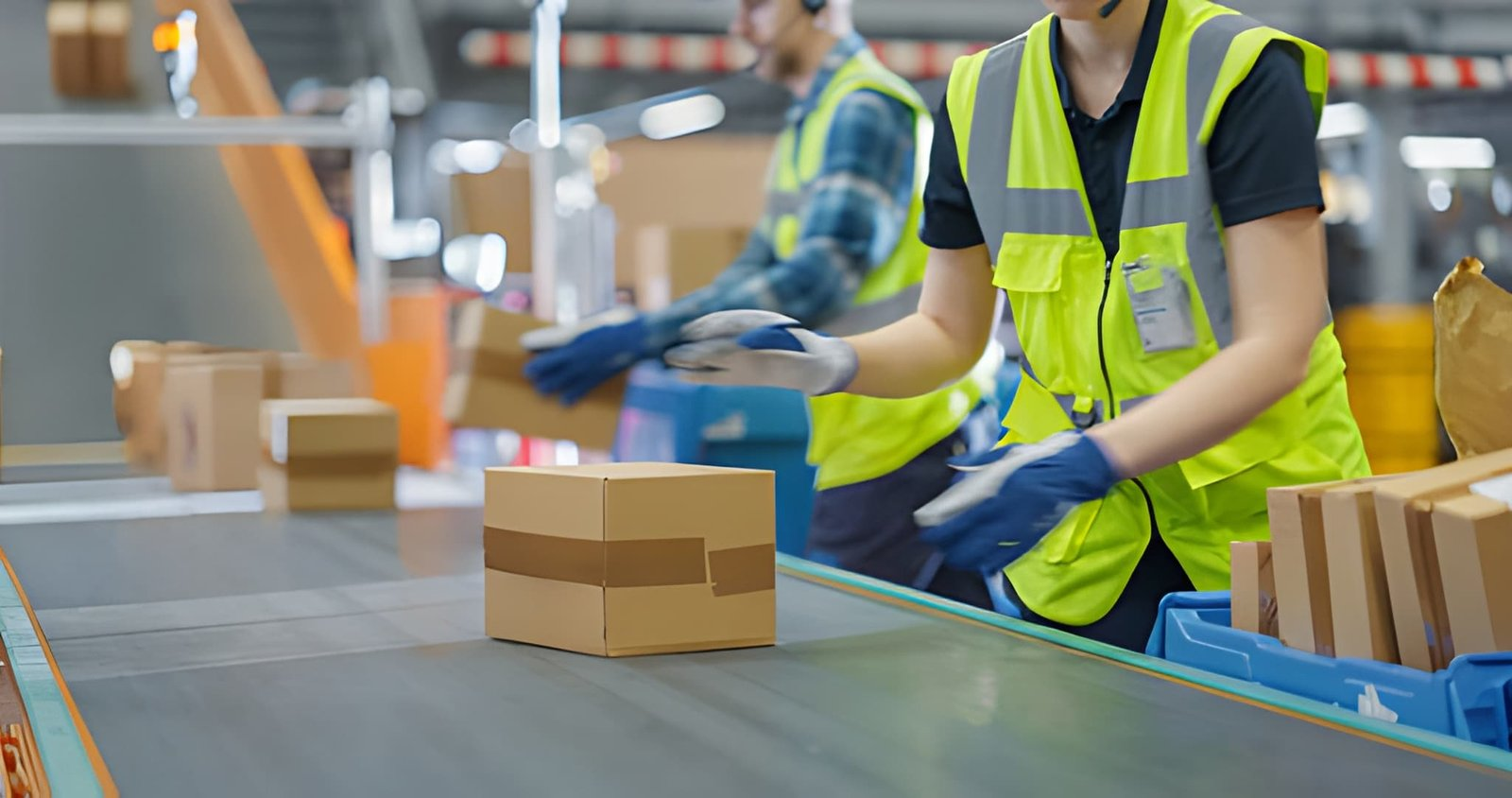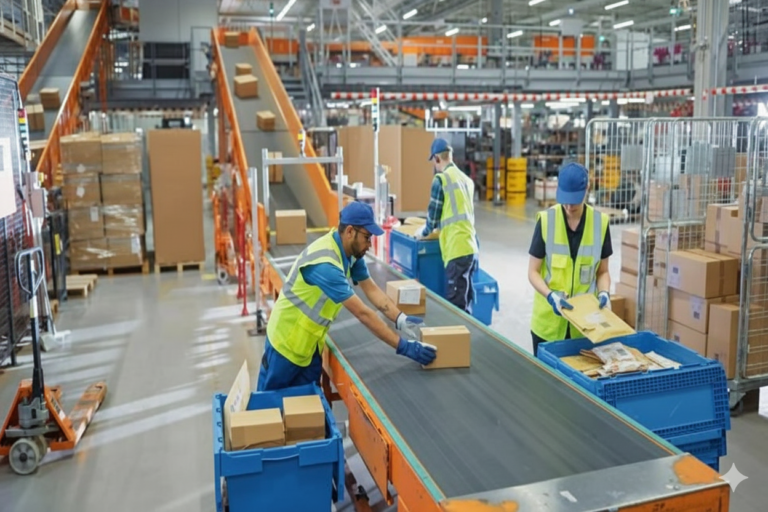
When customers place an online order, they expect a smooth and organized experience. Although the process feels simple on the surface, a detailed chain of operations begins immediately. This chain involves technology, warehouse logistics, operational planning, and the final stage of last-mile delivery.
This blog explores every stage of fulfillment from start to finish. This entire process is known as the ecommerce fulfilment process. It highlights the importance of accurate systems, clear communication, and efficient operations used by reliable partners to meet customer expectations.
Overview of the Ecommerce Fulfilment Process
Before looking at each stage, it helps to understand the overall structure of a typical fulfillment workflow. Every online order moves through a sequence of essential steps, each supported by technology and coordinated operations to minimize delays and errors.
The ecommerce fulfilment process usually includes:
- Order creation and confirmation
- Order processing
- Inventory allocation
- Warehouse logistics
- Picking and packing
- Quality checks
- Dispatch
- Last-mile delivery
- Post-delivery communication
Each stage involves specific tasks that work together to ensure customers receive their orders on time and in perfect condition.
Step 1: Order Creation and System Confirmation
Once a customer places an order, the ecommerce platform instantly sends the order information to the fulfillment system, often via an Application Programming Interface (API) connection. This seamless data transfer is the beginning of the operational journey.
Order creation includes the system:
- Capturing customer details, including shipping and billing addresses
- Recording product Stock Keeping Units (SKUs) and quantities
- Confirming payment status and security checks
- Sharing essential order data with the fulfillment center’s Warehouse Management System (WMS)
Integrated systems ensure the immediate and accurate transfer of data, preventing manual entry errors and speeding up the initial phase.
Step 2: Order Processing Begins
After the order enters the fulfillment system, the order processing stage starts. This crucial step is one of the most important steps of the ecommerce fulfilment process as it prepares the order for physical execution in the warehouse.
Order processing involves multiple internal checks and allocations before any physical movement of goods begins.
Verification of Order Information
Dedicated staff or automated systems verify product availability against current inventory levels, check delivery addresses for validity, and confirm quantity details. System accuracy is vital here to avoid downstream complications like shipping to a wrong address or backorders.
Inventory Reservation
The fulfillment system reserves the exact amount of stock required for the order. This locking of units ensures that no other order can use the same items, guaranteeing accurate planning and maintaining a steady warehouse flow, especially during peak seasons.
Step 3: Warehouse Logistics and Movement of Goods
Warehouse logistics describe everything that happens inside the fulfillment center after order processing is complete. This step supports the speed, accuracy, and organization of the whole process by optimizing the movement and storage of products.
Warehouse logistics include controlled movements, strategic stock positioning, and efficient staff coordination. Advanced Warehouse Management Systems (WMS) help maintain clear, real-time tracking of items throughout the facility.
Stock Location Identification
Warehouse software identifies the exact location of products using precise identifiers such as aisle, rack, and bin numbers. This highly structured system supports fast and accurate picking later by providing staff with the most efficient route.
Storage Based on Product Type
Items are stored based on physical attributes, demand levels (fast-moving items placed closer to packing), and specific handling requirements (fragile or temperature-sensitive goods). This strategic organization helps reduce travel time during picking and prevents damage.
Step 4: Picking of Products
Picking is the stage where warehouse staff physically collect the ordered items from their storage locations based on the instructions received from the WMS.
Efficient picking requires careful planning, clear communication, and often uses optimized picking routes to minimize travel time inside the warehouse.
Pick Lists Generated by the System
The fulfillment system generates a digital or paper pick list showing product locations and quantities, often grouped for efficiency (batch picking or zone picking). Staff follow these system-generated instructions precisely to collect each item for the specific order.
Accuracy Checks During Picking
Each item is scanned using handheld devices at the point of collection to confirm accuracy against the order details. This scanning reduces the chances of picking mistakes, confirms the item’s condition, and supports real-time inventory updates for the whole system.
Step 5: Packing and Preparation for Dispatch
Once picking is complete, items move to the packing area. Packing requires careful handling, the right protective materials, and attention to detail to ensure products reach customers safely and represent the brand well.
Packing is also the critical stage where warehouse staff prepare the parcel for final courier collection and shipping documentation.
Selection of Packaging Materials
Boxes, protective fillings (like air pillows or bubble wrap), and sealing materials are selected based on the product type, size, weight, and fragility. Choosing the correct size box minimizes shipping costs and reduces the risk of in-transit damage.
Labeling and Documentation
The fulfillment system generates the necessary delivery labels, including barcodes, tracking numbers, and the recipient’s address. Any required internal documents, like packing slips or return instructions, are also inserted at this stage.
Step 6: Quality Inspection and Final Checks
Quality checks take place just before dispatch to serve as the last line of defense against errors leaving the warehouse.
These checks help confirm that all items are correct, packaging is secure, and the order is fully ready for shipping without issues.
Product Accuracy Review
Staff visually confirm the product type, quantity, and overall condition of the contents against the packing slip. This step is particularly important for high-value items or orders with multiple components.
Packaging Strength Check
The parcel is physically checked for proper sealing, adequate cushioning, and overall protection to withstand the rigors of transit, ensuring the customer receives the package in pristine condition.
Step 7: Dispatch and Courier Collection
Dispatch marks the moment when the order leaves the fulfillment center and is transferred to the chosen shipping carrier. This stage seamlessly connects warehouse logistics with last-mile delivery operations.
Dispatch teams coordinate closely with courier partners to ensure timely collection and efficient movement to regional distribution hubs.
Handover to the Courier
Packages are formally handed over to the courier services, who perform the first carrier scan. This scan activates the tracking number and updates the customer’s order status to “shipped.”
Movement to Sorting Facilities
The parcel then travels through the courier’s network, moving through regional sorting centers where it is processed and sorted for the final leg towards the delivery destination.
Step 8: Last-Mile Delivery to the Customer
Last-mile delivery is the final and often most crucial stage of the ecommerce fulfilment process. This step ensures the parcel reaches the customer’s specified address accurately and within the expected timeframe.
Because it is the direct interaction with the customer, last-mile delivery plays an important role in overall satisfaction and brand perception.
Route Planning by the Courier
The delivery partner uses advanced logistics software to plan the most efficient delivery routes based on location density, delivery time windows, and parcel volumes. This optimization saves time and reduces fuel consumption.
Successful Delivery and Confirmation
The delivery driver hands the package to the customer (or leaves it in a designated safe location), and the courier updates the system with proof of delivery (POD), completing the transaction cycle.
Post-Delivery Communication
Although physical delivery is complete, the fulfillment process includes a final step: communication. The system sends a final confirmation email or notification to the customer, often prompting for feedback or informing them about return procedures.
Ecommerce Fulfilment Stage
Stage | Description | Key Action |
Order Processing | Verification, reservation, and system checks | Inventory reserved, checked for errors |
Warehouse Logistics | Storage, movement, and organization of goods | Product location identified in WMS |
Picking | Collection of items from assigned locations | Items physically retrieved and scanned |
Packing | Preparation of parcels for dispatch | Appropriate packaging selected, label printed |
Quality Checks | Accuracy and packaging inspections | Final confirmation before handover |
Dispatch | Handover to courier services | Tracking number activated |
Last-Mile Delivery | Final delivery to customer | Package reaches customer’s address |
Why Accurate Fulfilment Matters
Accurate fulfillment supports customer trust, consistent business operations, and smooth communication between all teams involved. Companies focus on efficient, error-free systems that support long-term scalability and reliability.
A strong fulfillment structure also helps businesses handle large order volumes, especially during holiday spikes, without losing accuracy or speed, directly protecting the brand’s reputation and profitability. Efficient processes lead to lower returns, reduced shipping costs, and happier customers.
Final Thought
The ecommerce fulfilment process involves a complex sequence of organised steps that begin the moment a customer completes an online order. From meticulous order processing and optimised warehouse logistics to efficient last-mile delivery, each stage is interconnected and contributes to the smooth, reliable flow of goods.
With accurate systems and structured operations, fulfilment companies help businesses maintain clarity, reliability, and consistency throughout the customer journey, ensuring that the “click” translates into a positive delivery experience. To discuss how we can streamline your fulfilment operations, Contact Us.
Frequently Asked Questions
How does order processing work?
Order processing begins as soon as a customer places an order, with the system checking payment details and stock levels. It then reserves the required items and provides instructions for warehouse picking to prevent errors.
What is the role of warehouse logistics?
Warehouse logistics cover the organised storage, movement, and retrieval of products within the fulfilment centre. This ensures efficient picking and packing, helping orders move quickly and accurately through the system.
What is last-mile delivery?
Last-mile delivery is the final stage where couriers transport parcels from the distribution hub to the customer’s address. It uses planned delivery routes and tracking to ensure parcels arrive on time.
Why is accurate fulfilment important for online sellers?
Accurate fulfilment improves delivery times, customer satisfaction, and repeat business. It also reduces errors, lowers return rates, and strengthens operational efficiency.
Do fulfilment services help with customer returns?
Yes, many fulfilment providers manage product returns by processing items, updating stock, and arranging replacements or refunds, helping businesses handle returns more efficiently.