Online retail in the United Kingdom has grown at an extraordinary pace over the past decade. Shoppers now expect fast deliveries, transparent tracking, simple returns, and seamless purchasing experiences, which places enormous pressure on retailers to manage logistics efficiently while maintaining high service standards.
As competition intensifies across digital marketplaces, the quality of operations after checkout often determines whether a business succeeds or struggles. This is where Ecommerce Fulfilment Services and logistics partners have become increasingly important. By outsourcing warehousing, order processing, packing, shipping, and returns, retailers can streamline day-to-day operations and focus more on growing their brand.
Fulfilment is no longer just a back‑end task but a strategic function that directly influences customer satisfaction, operational costs, and long‑term scalability.
How is UK ecommerce changing for online retailers?
The UK is one of the most developed ecommerce markets in Europe, with millions of consumers shopping online every day. Mobile commerce, next‑day delivery, and subscription‑based shopping models have reshaped purchasing behaviour, and customers now see fast shipping as a standard service rather than a premium extra.
At the same time, online retailers face rising competition from both domestic brands and international marketplaces. Price alone is no longer the primary differentiator, as service speed, order accuracy, and overall customer experience now play major roles in brand loyalty.
To keep pace with these expectations, order handling and delivery operations must be efficient, scalable, and technologically advanced.
What does ecommerce fulfilment involve?
Ecommerce fulfilment is the entire journey of a product from storage to delivery. It begins when inventory arrives at a warehouse and ends when a customer receives their order, with several crucial steps in between.
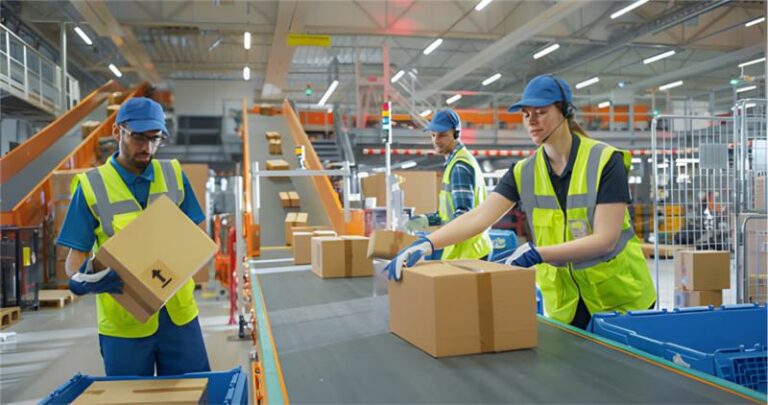
These steps typically include receiving stock, managing inventory, processing orders, picking items from storage, packing orders securely, shipping through courier networks, and handling returns. Each part of the process requires accuracy, speed, and coordination to keep customers happy.
When managed efficiently, fulfilment ensures that customers receive the right products on time, while poor execution leads to delays, errors, and dissatisfied buyers.
Why can in‑house fulfilment hold UK retailers back?
Many UK ecommerce businesses start by handling orders internally, which often works during early stages when order volumes are low. As businesses grow, however, running everything in‑house becomes increasingly difficult to manage.
Warehouse space can quickly become insufficient, leading to disorganised storage, misplaced products, and inventory errors. Hiring and training staff adds costs and complexity, especially when volumes fluctuate during peak seasons or promotional campaigns.
Shipping logistics also become challenging, as negotiating competitive courier rates, coordinating collections, and managing tracking systems require both time and specialist expertise. These limitations often restrict growth and impact customer experience, which is why many growing brands turn to specialist third‑party providers to streamline their operations.
How do outsourced fulfilment services improve efficiency?
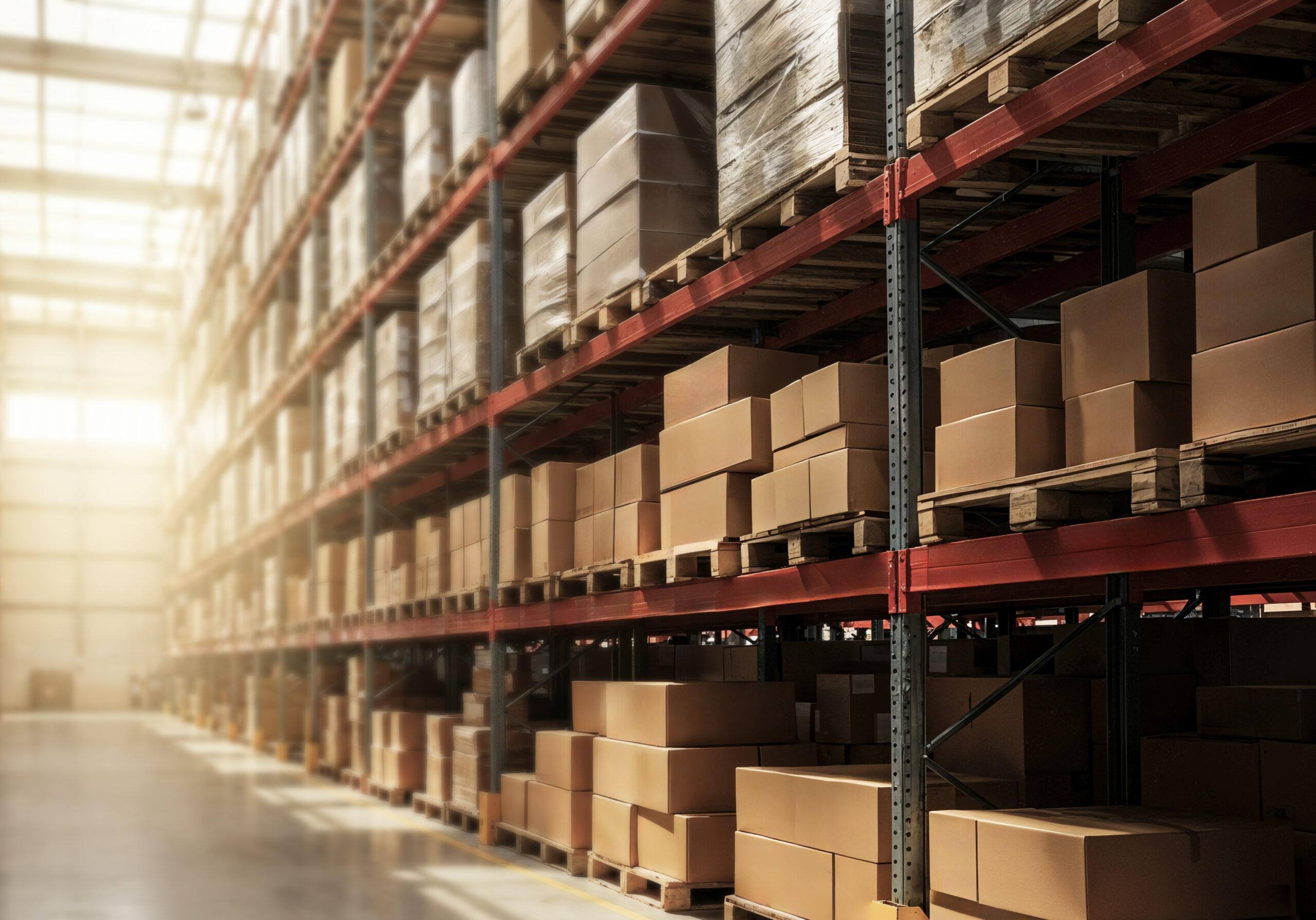
Professional providers are built specifically to manage high order volumes with speed and accuracy. Their warehouses are designed for optimal storage layouts, fast picking routes, and streamlined packing processes, which all reduce handling time per order.
Automated systems track inventory in real time, improving stock accuracy and reducing human error. Orders can be processed quickly, often within hours of being placed, so customers receive dispatch notifications sooner and delivery windows shrink.
This higher level of operational efficiency results in faster dispatch times, fewer mistakes, and smoother day‑to‑day workflows for retailers and their teams.
How does better fulfilment impact customer satisfaction?
Customer satisfaction is closely linked to how well orders are handled after someone clicks “buy now”. Late deliveries, damaged goods, and incorrect items are among the most common reasons for negative reviews and product returns.
Specialist services help maintain consistent service quality by:
- Ensuring fast order processing and dispatch
- Providing accurate picking and secure packing
- Offering real‑time shipment tracking and notifications
- Managing returns efficiently with clear processes
When customers receive their orders quickly and correctly, they are more likely to become repeat buyers and recommend the brand to others, which directly supports long‑term revenue growth.
How do fulfilment services support business growth and scalability?
One of the biggest advantages of using a specialist partner is the ability to scale smoothly as order volumes increase. Whether a retailer processes dozens of orders per week or thousands per day, capacity can be adjusted as needed.
This flexibility is particularly valuable during seasonal peaks, new product launches, and marketing campaigns. Retailers working with Lama Fulfilment can avoid hiring large numbers of temporary staff, renting extra warehouse space, or investing in new equipment that may only be needed for short periods.
Instead, they pay for the capacity they use, making growth more manageable, predictable, and less risky from a cost perspective.
How does technology integration make fulfilment smarter?
Modern centres rely on advanced warehouse management systems that integrate seamlessly with popular ecommerce platforms. Orders flow automatically from online stores into the warehouse system, triggering picking and packing processes without manual data entry.
Inventory levels update in real time, reducing the risk of overselling or stock shortages across multiple sales channels. Retailers gain access to dashboards and reports that provide insights into order volumes, stock movement, and delivery performance.
This data helps businesses forecast demand, plan promotions, and optimise purchasing decisions to avoid both overstocking and stockouts.
How do fulfilment services enable faster nationwide delivery?
Many facilities are located near major transport routes and population hubs across the UK. This strategic positioning allows providers to reach customers nationwide more quickly and reliably.
Some providers operate multiple warehouses and distribute inventory across different locations, so stock sits closer to end customers. This approach supports next‑day and even same‑day delivery options that modern shoppers increasingly expect.
Faster delivery not only improves customer satisfaction but also enhances brand competitiveness against larger marketplaces and international sellers.
What does the comparison between fulfilment approaches show?
The following comparison shows how in‑house operations differ from using a specialist service across key areas such as capacity, speed, and scalability.
Aspect | In‑house operations | Specialist service |
Warehouse capacity | Limited by available space | Scalable as business needs change |
Order processing | Often manual and slower | Highly systemised and fast |
Inventory accuracy | More prone to manual errors | Real‑time tracking and better accuracy |
Delivery reach | Frequently local or regional | Consistent nationwide coverage |
Peak season handling | Difficult and resource heavy | Capacity scales smoothly for peaks |
Returns management | Time consuming to manage | Handled through defined workflows |
This comparison highlights how outsourcing supports consistent performance and long‑term growth, especially for retailers with ambitious expansion plans.
Can fulfilment services support sustainability goals?
Many providers now focus on improving sustainability through more efficient packaging, optimised shipping routes, and reduced waste. Consolidated shipments and advanced route planning help lower overall carbon emissions linked to last‑mile delivery.
By centralising storage and distribution, these services reduce unnecessary transport between multiple small locations and improve supply chain efficiency. Retailers can therefore improve both operational performance and environmental responsibility without building new infrastructure themselves.
How is the UK fulfilment landscape evolving?
The sector in the UK continues to evolve rapidly as consumer expectations rise. Providers now offer value‑added services such as personalised packaging, branded inserts, subscription box handling, quality inspections, and advanced reporting.
Solutions are increasingly customised to meet specific business needs across industries such as fashion, health and beauty, electronics, and subscription‑based products. This innovation ensures fulfilment remains a competitive advantage rather than just a logistical challenge in the background.
How can UK retailers strengthen ecommerce logistics today?
Specialist services have become an essential foundation for successful UK online retail. They support faster deliveries, improved customer satisfaction, scalable growth, and more efficient internal operations while reducing the logistical burden on business owners.
By leveraging professional infrastructure and expertise, retailers can focus on building strong brands, expanding product ranges, and engaging customers across multiple channels. With rising consumer expectations and increasing competition, reliable fulfilment is no longer optional but a key driver of ecommerce success. Contact us today to learn how our logistics solutions can help streamline your processes and accelerate business growth.
Frequently Asked Questions
What services are included in ecommerce fulfilment?
Typical services include inventory storage, order processing, picking and packing, shipping coordination, tracking, and returns management. Many providers also offer custom packaging, kitting, and reporting tools to give better visibility over performance.
Can small businesses use fulfilment services?
Yes, these services are designed to be scalable and are suitable for businesses of all sizes, from new startups to established online retailers. Smaller brands can access the same infrastructure and courier rates usually reserved for larger operations.
How do fulfilment services improve delivery times?
Strategically located warehouses and automated systems enable faster order processing, earlier dispatch, and shorter delivery routes. As a result, customers across the UK benefit from quicker shipping options and more reliable delivery windows.
Do fulfilment providers integrate with ecommerce platforms?
Most modern providers integrate directly with leading ecommerce platforms and marketplaces. This integration syncs orders and inventory in real time, reduces manual work, and helps prevent overselling across multiple channels.
Are fulfilment services helpful for international sales?
Yes, many providers support international shipping, customs documentation, and in some cases overseas warehousing solutions. This support makes it easier for UK brands to expand into new markets without setting up their own facilities abroad.